
Ever stood in front of a packed wardrobe at 8 a.m. and still found nothing to wear? It happens to almost everyone.
Buying more clothes rarely fixes it. Usually half of what’s hanging there doesn’t go together, or it was bought for a life you don’t really live.
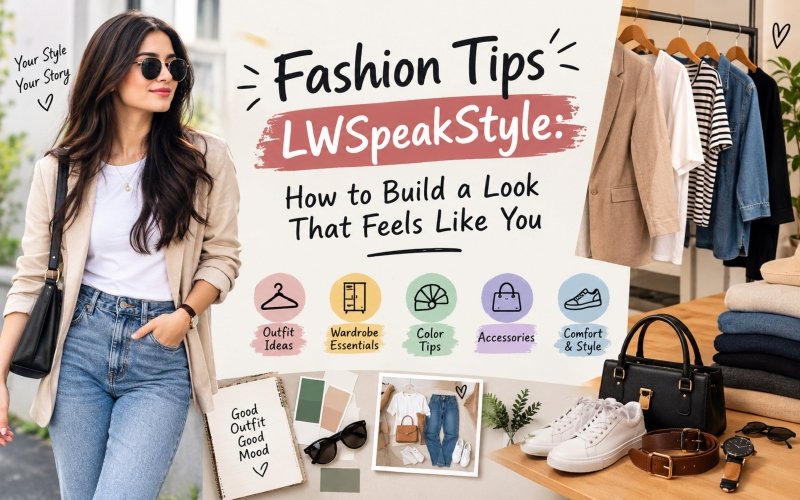
That’s the idea behind Fashion Tips LWSpeakStyle. No strict rules, no big spending. Just a few habits that make getting dressed easier and help you look good while you do it.
Quick Takeaways
- Start with the clothes you already wear most.
- Build around a few basics that go with everything.
- Keep your colors simple and add one bright piece.
- Use accessories to finish an outfit, not to fill it up.
- Fit and grooming matter more than the label.
- Check your wardrobe before you shop.
Start With the Clothes You Already Love
Before you spend a rupee or a dollar, look at what you actually wear. Pull out the five or six things you keep grabbing and ask why. The fit? The fabric? Maybe it’s just that one color you always feel good in.
That tells you more about your style than any trend list. If your favorites are all loose and soft, you’re a relaxed dresser. If they’re sharp and fitted, you lean classic. Neither is better. It’s just useful to know.
Now look at the other end of the rack, the things with tags still on or the ones you wore once. There’s always a reason. Maybe it pinches, maybe it itches, maybe you bought it because it was on sale. Once you see the pattern, you stop repeating it.
Dress for the Life You Actually Have
A wardrobe has to work for your week, not for some imaginary one. If you’re at college or in a casual office most days, a rack of formal outfits just sits there. If you’re on your feet a lot, or squeezing onto buses and trains, comfortable shoes will do more for you than a stylish pair that hurts by noon.
So think through a normal week. Where do you go? What do you do there? What do you need on your back for it? Start from that.
Build Around a Few Reliable Basics
You don’t need dozens of pieces, which is good news. A handful of basics covers a surprising amount of ground:
- Plain T-shirts in white, black, and maybe one or two shades you like
- Jeans that fit well, ideally a dark wash since it goes almost anywhere
- A couple of neutral shirts you can wear buttoned, open, or layered
- One classic jacket Shoes you’re happy to walk in all day.
Between them, those handle college, work, family visits, and weekends out. Everything else you add after that is a bonus.
Mix and Match
A white tee and dark jeans is about as easy as it gets. Put a jacket over it and it suddenly looks planned. Swap the tee for a neutral shirt and you can walk into a meeting or a dinner. Wear that same shirt with trousers and it feels dressier again, without buying anything new.
Here’s a small experiment. Lay your clothes out on the bed one evening and see how many outfits you can build. Most people end up with far more than they expected, and a few pairings they’d never have tried.
Use Color Without Overthinking It
Black, white, beige, navy, and grey are easy because they rarely clash. You don’t have to stop and wonder whether two of them match. That’s why they make such a good base.
The fun part is adding color, and the easiest way is to do it in one place only. A bright shirt over plain trousers. A coloured scarf with a simple coat. A pair of bold sneakers on an otherwise quiet outfit. One strong piece looks like a choice. Three or four start to look like an accident.
A few combinations that rarely go wrong: white with black for something crisp, navy with beige for a softer feel, and grey with white when you want things calm and clean. Or keep everything neutral and add a single bright accessory.
If you’re unsure whether a color suits you, hold it near your face in daylight. If your skin looks fresh, it works. If you suddenly look tired or a bit grey yourself, try another shade.
Choose Accessories That Finish the Outfit
A watch, a belt, sunglasses, a bag, a piece of jewelry. Any of these can pull a plain outfit together in about ten seconds.
With a watch, pick something that goes with most of what you wear. A simple one is fine nearly everywhere. A belt that roughly matches your shoes looks neat without any effort. For sunglasses, go for a frame that suits your face and doesn’t pinch. With bags, think about what you carry every day first and looks second, because a bag that doesn’t fit your things ends up unused. As for jewelry, keep it light. One or two pieces is plenty.
Know When to Stop
Most accessory mistakes come from wearing too much at once. If your outfit already has bold colors or patterns, let the accessories stay quiet. If the outfit is plain, that’s your chance to add one piece that stands out.
An old trick that works: before you walk out the door, look in the mirror and take one thing off. It nearly always looks better.
Put Comfort and Fit First
A great outfit still looks wrong if it doesn’t fit. Too tight and it pulls and creases. Too loose and everything hangs like it belongs to someone else.
- When you try something on, run through a quick check:
- Can you sit, bend, and lift your arms without fuss?
- Do the shoulder seams sit where your shoulders end?
- Is the length right, not dragging or riding up?
- Will it still feel fine after an hour, not just in the shop?
If something almost fits, don’t give up on it. A local tailor can usually fix sleeves, hems, or a waistband for very little money, and a small alteration can make an ordinary piece look made for you.
Don’t Skip Grooming
Ironed clothes and clean shoes make more difference than most people expect. Same with neat hair, trimmed nails, and fresh breath. None of it costs much, but people notice when it’s missing.
Common Fashion Mistakes
- Wearing something uncomfortable just because it looks good
- Following every trend without asking if it suits you
- Piling on too many accessories
- Ignoring dirty shoes or wrinkled clothes
- Buying something new when you already own what you need
Dress Well Without Overspending
Good style doesn’t depend on how much you spend. It depends on how carefully you choose.
Before you buy something, ask yourself three quick questions. Do I already own something like this? Could I wear it with at least three things I have? Will I still want it in six months? If any answer is no, leave it on the shelf. Do that for a year and you’ll be surprised how much money stays in your pocket.
Make What You Own Work Harder
You can freshen up an outfit without shopping at all. Change the belt or the scarf. Roll your sleeves, or the hem of your jeans. Throw a shirt over a tee, or add a jacket. Wear the same top with a different bottom. Small changes like these can make an old outfit feel new.
When you do buy, spend a bit more on fewer things. One well-made pair of jeans will outlast three cheap ones that lose their shape after a few washes.
- What You Gain From Budget-Friendly Fashion
- You save money, since there are fewer impulse buys and fewer regrets.
- You get more creative, because mixing what you own turns up new looks.
- Mornings get easier, with fewer, better pieces and fewer decisions.
- Your style gets clearer, because smart choices show you what you like.
Putting These Tips Into Practice
Reading about style is the easy part. What changes things is doing a little each week.
Start by going through your wardrobe and separating what you wear from what you don’t. Then spot the gaps. Maybe you’re missing a neutral shirt or a decent pair of shoes. After that, try pairing things you’ve never worn together. Add one accessory and see what it changes. And notice which outfits get a compliment or just feel right, because those are clues.
Style builds slowly. You’ll get a few things wrong, and that’s fine. Every miss tells you something about what suits you.
Final Thoughts
Good style doesn’t come from owning more clothes or chasing every trend. It comes from knowing what works for you, wearing things that fit, and not apologising for either.
Start with a few reliable basics. Keep your colors simple, watch the fit, and add small touches that feel like you. With Fashion Tips LWSpeakStyle, you can put together a look that works for everyday life without stress or overspending.
Frequently Asked Question
What is Fashion Tips LWSpeakStyle?
It’s a practical approach to everyday style. It covers wardrobe basics, color combinations, accessories, comfort, and budget-friendly choices, so you can dress well without overthinking it.
How do I find my personal style?
Start with the clothes you wear most and feel best in. Look for patterns in fit, color, and fabric. Then try small changes and keep what feels natural.
How can I look stylish on a small budget?
Buy versatile basics, mix what you already own, and skip impulse purchases. Before buying anything, ask whether it works with at least three things you have.
Which clothes should every wardrobe include?
Plain T-shirts, well-fitted jeans, neutral shirts, a classic jacket, and comfortable shoes. Together they cover most situations and combine easily.
Do accessories really make a difference?
Yes. A good watch, belt, or pair of sunglasses can make a simple outfit look finished. Just keep things balanced so the outfit doesn’t feel crowded.
Why does comfort matter so much in fashion?
When you’re uncomfortable, it shows in how you stand and move. Clothes that fit well let you relax, and that makes you look more confident.
How can I improve my outfits quickly?
Check the fit, clean your shoes, iron your clothes, and add one simple accessory. These small steps often make the biggest difference.


