
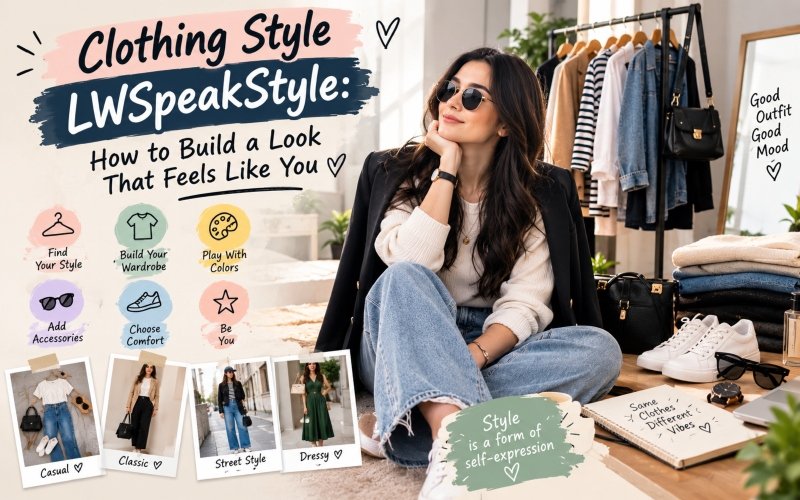
You can have a wardrobe full of clothes and still feel like you have nothing to wear. Maybe your favorite outfit no longer feels right, or you keep buying new pieces that never seem to work together. The problem is not always a lack of clothes. Sometimes, you simply need a clearer idea of your personal style.
Clothing style is about choosing pieces that fit your life, feel comfortable, and reflect your taste. You do not need designer labels, a large budget, or a wardrobe full of the latest trends. A few well-chosen items, the right combinations, and attention to small details can make getting dressed much easier.
This guide explores the practical ideas behind Clothing Style LWSpeakStyle, from finding your preferred look to building outfits with clothes you already own.
What Does Clothing Style LWSpeakStyle Mean?
Clothing Style LWSpeakStyle can be approached as a personal fashion guide: choosing clothes with purpose rather than following every trend you see online. The focus is on finding a balance between appearance, comfort, budget, and everyday needs.
For one person, that might mean jeans, plain T-shirts, and sneakers. Someone else may prefer tailored trousers, long coats, dresses, or colorful accessories. Neither approach is automatically better. What matters is whether the clothes suit your preferences and the occasions you dress for.
Before buying anything new, consider three simple questions:
- Do I feel comfortable wearing this?
- Can I combine it with clothes I already own?
- Will I have a reason to wear it regularly?
These questions can help you make more useful clothing choices and avoid purchases that spend money without improving your wardrobe.
Find Your Personal Style Before Following Trends
Fashion trends can provide inspiration, but they should not decide your entire wardrobe. An outfit that looks great on someone else may not suit your routine, comfort level, or personal taste.
Start by noticing the clothes you reach for most often. Are they relaxed and casual, classic and structured, sporty, minimal, or bold? Look at the colors, shapes, and fabrics you repeatedly choose.
You can also save a few outfit pictures that appeal to you. After collecting several examples, look for similarities. You may discover that you prefer neutral colors, loose-fitting layers, simple accessories, or outfits with one bright detail.
There is no need to settle on one label. Your style can change between work, weekends, family events, and special occasions. The aim is to understand your preferences well enough to make clothing decisions with confidence.
Build a Wardrobe Around Pieces You Can Reuse
A useful wardrobe does not have to be large. It needs clothes that work together.
Start with the basics that suit your lifestyle. Depending on your needs, these might include:
- Plain T-shirts or everyday tops
- Jeans or comfortable trousers
- A shirt or blouse that works for different occasions
- A lightweight jacket, cardigan, or other layering piece
- Shoes suitable for your regular activities
- One outfit for formal events or occasions you attend
Think about your actual routine before choosing these items. Someone who works in an office may need more smart-casual clothing, while a person who spends most of the day at home may prefer relaxed basics.
Try the three-outfit test before buying a new item. Think of at least three ways to wear it with clothes you already own. If you can only imagine one very specific combination, consider whether it is worth the purchase.
This small habit can help you build a wardrobe that offers more outfit options without taking up unnecessary space.
Choose Colors That Work Together
Color can change the feel of an outfit, but combining shades does not need to be complicated.
Black, white, grey, navy, and beige are often easy starting points because they work with many other colors. You can use them as the foundation of an outfit and introduce brighter shades through a top, jacket, scarf, bag, or pair of shoes.
For example, a white shirt and dark jeans create a simple base. Adding a green jacket or a burgundy bag gives the outfit more character without making the combination difficult to wear.
Patterns can work in the same way. If you are wearing a bold printed shirt, try pairing it with simpler trousers or a plain skirt. This allows the print to stand out without competing with several other patterns.
You do not have to follow strict color rules. Try combinations in natural light, look at the full outfit, and wear what you genuinely enjoy.
Pay Attention to Fit and Comfort
An outfit can look attractive on a hanger but feel completely different when you wear it. Fit, fabric, and freedom of movement all affect whether a piece works for you.
Clothes should suit both your preferences and their purpose. For example, trousers worn for a long day out may need more room to move, while a formal outfit may call for a more structured shape. Neither loose nor fitted clothing is universally best; the right choice depends on the look you want and how the garment feels.
When trying something on, check a few practical details:
- Can you sit, walk, and move comfortably?
- Do the shoulders, waist, or hems sit where you want them?
- Does the fabric feel suitable for the weather?
- Would a small alteration improve the fit?
Do not buy an item simply because the size on its label seems right. Sizing varies between brands, so how the clothing fits you is more useful than the number printed inside it.
Use Accessories to Make Simple Outfits Personal
Accessories can give familiar clothes a different feel without requiring an entirely new outfit.
A belt can define the shape of an outfit. A watch, handbag, scarf, sunglasses, or simple jewelry can introduce a personal detail. Even changing your shoes can make the same jeans and top feel more relaxed or more polished.
The key is to choose accessories that suit the occasion and work with the rest of your clothing. You do not need to wear several statement pieces together. Sometimes, one distinctive item is enough.
For everyday wear, start with accessories you already use. Experiment with different combinations before buying more. This is an easy way to discover what adds something to your look and what simply goes unused.
Look Stylish Without Spending More
Refreshing your style does not always require shopping. Before buying anything, take a look at your existing wardrobe and identify the pieces you wear most often.Try combining them in ways you have not considered. Wear a shirt open over a basic top, add a jacket to a familiar outfit, or pair a favorite skirt with different shoes. Small changes can make existing clothes feel more versatile.
When you do shop, use a simple checklist:
- Check what you already own. Avoid buying another item that serves exactly the same purpose unless you genuinely need it.
- Consider how often you will wear it. A versatile item may offer better value than something suitable for only one occasion.
- Look at the fabric and care instructions. Choose clothing you can realistically maintain.
- Set a spending limit. Decide what you can afford before browsing.
- Pause before purchasing. If you are unsure, give yourself time to decide rather than buying immediately.
- Secondhand shops, clothing swaps, and alterations may also help you find or refresh pieces at a lower cost. The best option depends on your budget, location, and what is available.
Make Your Everyday Outfits Look More Put Together
You do not need a complicated outfit to look well dressed. Often, the small details make the biggest difference.
Check that your clothes are clean and appropriate for the occasion. Keep shoes in good condition, remove loose threads when practical, and follow the care instructions to help garments last longer. If an item wrinkles easily, hanging or folding it properly can save time later.
It can also help to plan an outfit the night before a busy day. Choose clothes that suit the weather and your schedule, then check that the shoes and accessories work with them. This avoids last-minute decisions and makes getting ready less stressful.
Most importantly, do not confuse looking polished with looking expensive. A simple outfit that fits well and feels appropriate can be just as effective as one built around designer pieces.
Common Clothing Style Mistakes to Avoid
- A few habits can make getting dressed harder than it needs to be.
- Buying every new trend: Choose trends that fit your taste instead of replacing your wardrobe whenever fashion changes.
- Ignoring comfort: Clothes that restrict movement or feel uncomfortable are less likely to become regular favorites.
- Shopping without a plan: Check your wardrobe first so you know what would genuinely be useful.
- Keeping clothes you never wear: If an item no longer suits your life, consider repairing it, altering it, donating it, or selling it where appropriate.
- Trying to copy someone else’s entire look: Take inspiration from individual details while keeping your own preferences in mind.
- Your wardrobe should support your life, not create extra pressure to look a certain way.
Conclusion
Finding your personal fashion look does not have to involve a complete wardrobe makeover. Start with the clothes you enjoy wearing, identify the pieces that work well together, and pay attention to fit, comfort, and color. Use accessories to add personality, and shop only when something would genuinely improve your wardrobe.
The central idea behind Clothing Style LWSpeakStyle is to make thoughtful choices rather than chase every trend. When your clothes suit your routine, budget, and taste, putting together an outfit becomes simpler—and your style feels more like your own.
Frequently Asked Questions
What is Clothing Style LWSpeakStyle?
It is the topic of this guide to personal style, focusing on practical clothing choices, comfortable outfits, versatile wardrobe essentials, and individual expression.
How can I find a clothing style that suits me?
Start with the clothes you already enjoy wearing. Consider your daily routine, save outfit ideas you like, and look for common colors, shapes, and styles. Test new combinations before changing your entire wardrobe.
Do I need expensive clothes to look stylish?
No. Well-chosen basics, suitable fit, thoughtful combinations, and good garment care can help you create attractive outfits without spending heavily.
Which clothing items are useful wardrobe essentials?
That depends on your lifestyle, but everyday tops, trousers or jeans, comfortable shoes, and a suitable layering piece are useful starting points for many wardrobes.
How can I make more outfits with fewer clothes?
Choose items that coordinate with several other pieces. Try different combinations of tops, bottoms, layers, and accessories, and consider the three-outfit test before buying something new.
How often should I update my personal style?
There is no fixed schedule. You can adjust your wardrobe when your needs, preferences, or daily routine change. You do not need to follow every seasonal trend to maintain a style you enjoy.


