
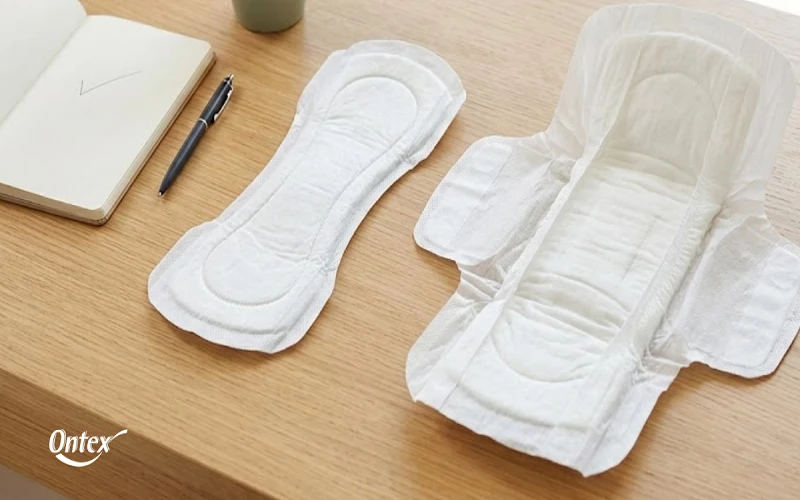
The best incontinence pad for you depends on one thing above all else: how much you leak each day. Get that right, and the rest of the decision follows naturally. But standing in a chemist’s aisle with dozens of options staring back at you? That is where most people get stuck.
And honestly, that confusion is completely understandable. Most people living with bladder leakage have never been shown how to compare continence products properly
At www.ontexhealthcare.com.au, we have spent years helping Australians find incontinence pads that fit their bodies and their lives. We know what works, what does not, and what questions most people forget to ask.
So let’s go through everything you need.
Know Your Incontinence Type Before You Pick a Pad
Buying the wrong pad type wastes money and leaves you unprotected. A quick conversation with your doctor can save you a lot of trial and error (Your GP has heard it all before, so do not hold back).
In the meantime, here is what you need to know about each type before that appointment.
Urinary Incontinence
Urinary incontinence means your bladder leaks urine without warning. A sudden urge, a sneeze, or simply weakened pelvic muscles can all set it off. It is the most common type across all ages, and thinner body-shaped pads tend to suit it well.
Faecal Incontinence
Faecal incontinence, on the other hand, involves losing control of your bowels rather than your bladder. Believe it or not, around 1 in 20 Australians experience it, yet very few people talk about it openly. This type needs higher wraparound coverage and stronger absorbency than a standard urinary pad offers.
Not Sure Where to Start?
No problem at all. A quick call to the Ontex Healthcare team on 1300 788 872 can point you in the right direction. They are available Monday to Friday and are happy to help.
Once you know your incontinence type, the next step is finding the absorbency level that matches how much you leak each day.
How to Compare Incontinence Products by Absorbency Level
Not all pads absorb the same amount. The gap between a light pad and a maximum-rated one is enormous, and picking the wrong level leads to leaks, skin irritation, and wasted money. Frankly, it catches a lot of people out.
So take a look at each level below and find yours.
- Light Absorbency: Small leaks from sneezing, coughing, or light exercise suit this level well. It sits flat inside regular underwear with no bulk, so you barely notice it is there.
- Moderate Absorbency: Out and about all day? This level handles several leaks across a full day without needing frequent changes. You can also choose between disposable and washable pads at this level.
- Heavy Absorbency: Frequent or larger urine loss needs more than a basic pad. These products cover you from morning to night and work well for people managing severe incontinence daily.
- Maximum Absorbency: For permanent and severe incontinence, this level gives you overnight or extended protection. These pads handle high urine volumes and keep your skin dry and healthy throughout.
Most skin issues stem from the wrong absorbency choice. Our experience confirms this time and time again. Get this one step sorted, and everything else, fewer leaks, healthier skin, and a lot less washing tends to follow.
Comfort and Fit: What to Look for in Absorbent Pads
When it comes to absorbent pads, fit and comfort work hand in hand with absorbency. A pad that bunches up or gaps at the edges will let you down, even with the highest absorbency rating available.
So here is what to look for before you buy.
| Feature | Why Its Important |
| Soft backing | Prevents chafing and keeps skin comfortable during long wear |
| Elasticated edges | Keeps the pad secure against your body during movement |
| Body-shaped design | Reduces gaps that allow leakage past the pad |
| Discreet fit | Sits flat under underwear or pants without visible bulk |
Night-time leakage needs a little extra thought. A bed pad or mattress protector underneath you adds a reliable second layer of protection while you sleep, so a single leak does not turn into a full linen change at 2 am.
Speaking of getting it right, there is also help available to ease the cost.
How the Continence Aids Payment Scheme Can Help You Save
The Australian Government created the Continence Aids Payment Scheme (CAPS) to take some of the financial pressure off managing permanent and severe incontinence. For many Australians, it is a genuine lifeline when the cost of continence products starts to bite.
Let’s break it down simply.
- Eligibility: Eligible people must have permanent and severe incontinence due to a neurological or other approved condition. Your GP can confirm whether you qualify.
- Payment Amount: CAPS pays $717.10 annually, directly into your Australian bank account, with no impact on your taxable income.
- Getting Help: As we mentioned earlier, please contact the National Continence Helpline on 1800 33 00 66, Monday to Friday between 8 am and 8 pm, and a nurse specialist will guide you through the process.
Aged care residents and kids over five may also qualify, so do not write it off until you have checked.
Start Fresh With the Right Continence Care
Living with incontinence is not always easy, but finding a pad that works for you makes a genuine difference to how you feel each day. And the good news is, reliable continence care is well within reach.
This guide has covered the big steps: your incontinence type, absorbency levels, fit, and CAPS funding. Each step builds on the last, and together they make the whole decision a lot simpler than it first seems.
Our team at Ontex Healthcare will take you through every option you need, from finding a pad that fits your body to one that suits your budget. Browse our full range and order free samples today.
Go ahead, your comfort is worth it.