
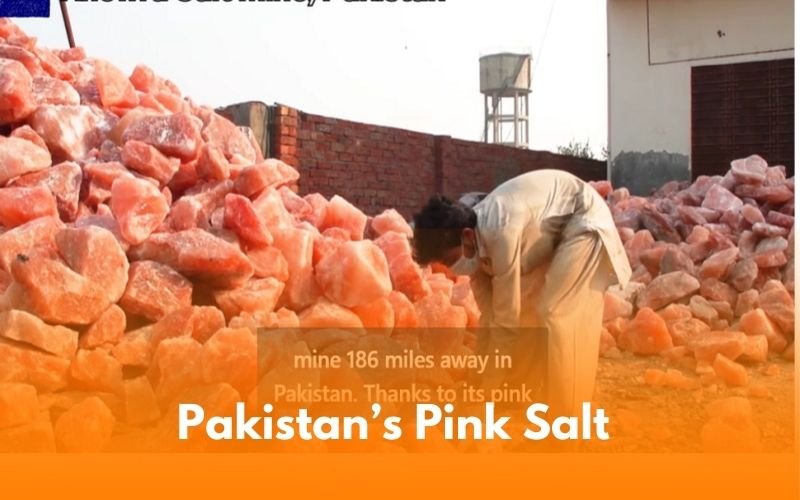
For most of history, salt was simply a necessity, an everyday mineral used for flavor and preservation. But in recent years, one particular type has captured international attention like none before: Pakistan’s famous Himalayan pink salt. Today, it sits on shelves in upscale grocery stores, features in wellness products, and inspires décor items from lamps to cooking slabs. But how did salt sourced from one region of Pakistan rise to become a global phenomenon?
This article explores the cultural roots, mineral makeup, global marketing journey, and modern popularity of Himalayan pink salt without the hype, just the facts.
A Salt Formed Over Millions of Years
The story of pink salt begins long before humans existed. Around 250 million years ago, shifting tectonic plates trapped ancient seawater beneath layers of rock. Over time, this evaporated water crystallized to form massive salt deposits in what is now the Himalayan foothills of Pakistan.
The largest and most historically important mining region is Khewra Salt Mines, located in Punjab. It is one of the world’s oldest and largest salt mines and has produced salt for centuries.
Today, Pakistan is the primary global supplier of authentic Himalayan pink salt, exporting millions of tons annually for culinary, industrial, and wellness use.
What Makes the Salt Pink? The Minerals Behind The Color
People often wonder what gives this salt its distinctive rosy appearance. The answer is its composition, particularly its trace elements and minerals. Unlike processed table salt, pink salt is typically unrefined and naturally harvested.
Because of this, it contains a range of minerals in small amounts. Many consumers reading packaging or blogs search for information about pink salt mineral content, trying to understand whether there are nutritional advantages. While the levels of trace minerals are relatively small in quantity, their presence does influence color, texture, and taste.
Iron oxide, in particular, is mostly responsible for the deep or light pink shades. Other mineral traces, such as magnesium and potassium, contribute to its slightly different flavor profile compared to standard table salt.
While these minerals don’t make pink salt a “medical cure” or a “superfood,” they are a unique part of its natural identity and play a significant role in why people find it appealing.
Cultural and Historical Importance in Pakistan
Although the world has discovered pink salt only recently, it is not new to Pakistan. Locals have used it in cooking, seasoning, and wellness remedies for centuries. The Khewra mine itself has been active since the era of Alexander the Great, and legends say that his horses first discovered the area’s salt deposits.
Salt mining in the region turned into a structured industry under Mughal rule, then later under the British, and now through modern commercial production. Despite its global success, pink salt remains a proud part of Pakistan’s cultural and regional identity.
From Local Commodity to International Trend
Pink salt’s rise in global popularity wasn’t accidental; it was shaped by several cultural and market trends:
1. Rising Interest in Natural Foods
As more consumers started reading labels and avoiding heavily processed foods, naturally harvested salts gained attention.
Himalayan salt fit perfectly:
- unprocessed
- minimally refined
- naturally sourced
- visually recognizable
Its identity aligned with the global “clean eating” movement.
2. The Growth of Specialty Cooking
As more people began experimenting with gourmet cooking, chefs and home cooks looked for:
- new seasoning flavors
- unique color and appearance
- region-based culinary products
Pink salt brought all three, making it a favorite not only for taste but for presentation.
3. Wellness and Lifestyle Industries
Once wellness brands began using Himalayan salt in:
- bath salts
- diffusers
- scrubs
- lamps
- spa treatments
its popularity expanded far beyond the kitchen. Even though many claims are exaggerated online, the association between pink salt and “natural wellness” helped it gain mainstream visibility.
The Role of Pakistani Manufacturers
For the salt to become a global name, responsible large-scale production and export were necessary. Over time, numerous Pakistan-based producers established international supply chains, enabling retailers, health stores, and brands worldwide to access Himalayan salt in bulk.
Some manufacturers, such as Himalayan Sobaan Salts, export products ranging from edible salt to crafted décor items and salt-based wellness goods. Their existence shows how Pakistan has transitioned from a mining-focused salt economy to a structured global supplier supporting thousands of jobs.
Why Consumers Around the World Prefer Pink Salt
Even when two salts contain similar sodium levels, consumers continue to gravitate toward Himalayan pink salt. The reasons are varied and depend on who you ask:
1. Appearance and Natural Appeal
Its rich color makes it feel like a premium or artisanal ingredient.
2. Culinary Experience
Many cooks find it:
- milder in sharpness
- more balanced in flavor
- versatile for finishing dishes
3. Wellness Perception
Although scientific evidence remains limited, many consumers appreciate the idea of a mineral-rich natural salt.
4. Transparency of Source
People like knowing where their food comes from. “Mined in Pakistan” has become a recognizable identity, which supports trust and authenticity.
Where the Trend Is Heading Next
Despite being more than two hundred million years old, Himalayan pink salt’s modern journey is just beginning. Current market developments include:
- Growth in decorative products like lamps and tea-light holders
- Increasing demand for raw materials for cosmetics and spa treatments
- Online visibility boosting consumer education
- Development of culturally informed, research-based content
- Wider retail placement worldwide
As more studies are conducted and accurate information becomes available, public understanding of pink salt may shift from marketing claims to evidence-based knowledge.
Wrap-Up
Pakistan’s Himalayan pink salt didn’t become famous because of one single factor. It became a global trend due to a powerful combination of natural origin, visual appeal, culinary use, consumer trust, and global marketing.
Its journey reflects a broader shift toward natural, traceable, and traditionally sourced products. And while the world continues to debate health claims, one fact remains undeniable:
A mineral formed millions of years ago beneath the mountains of Pakistan has become a symbol of global wellness, culinary creativity, and natural authenticity, and its popularity doesn’t seem to be slowing anytime soon.